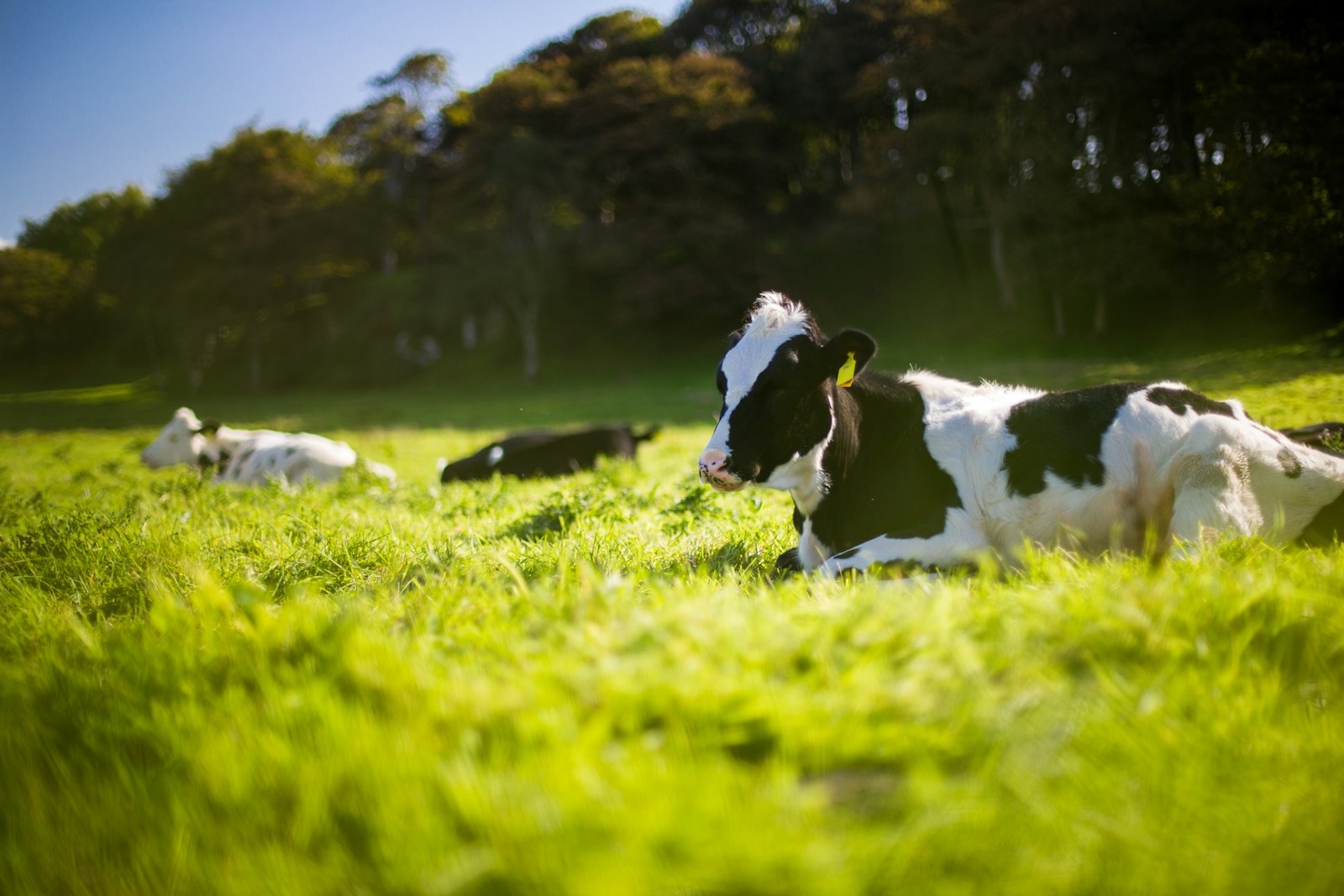

El pastoreo rotacional es un sistema de manejo en el que el hato se mueve entre varios potreros siguiendo un plan, de modo que cada pradera tenga un tiempo de ocupacion corto y un tiempo de descanso suficiente para recuperarse antes de volver a ser pastoreada. Bien aplicado, permite sostener mas animales por hectarea, mejorar la calidad del forraje y frenar la degradacion del suelo.
Por que funciona el pastoreo rotacional
En el pastoreo continuo el ganado escoge siempre las mismas plantas, las sobrepastorea y deja madurar el resto. La pradera pierde vigor y aparecen zonas peladas. Con rotacion, el animal come de forma pareja durante pocos dias y luego la planta descansa: rebrota con mas hojas, mas raiz y mas capacidad de captura de carbono.
La clave no es el pasto que te comes hoy, es el descanso que le das para el proximo ciclo.
Como aplicarlo paso a paso
1. Divide la finca en potreros
Empieza con divisiones que puedas manejar. Muchos ganaderos arrancan con cerca electrica para probar franjas antes de invertir en cercas fijas. El objetivo es que el hato permanezca poco tiempo en cada potrero.
2. Define el tiempo de ocupacion
Idealmente el ganado no deberia estar tantos dias en un potrero como para comerse el rebrote nuevo. Entre 1 y 3 dias por potrero es un punto de partida comun en tropico; ajustalo segun tu carga y la velocidad de rebrote.
3. Respeta el tiempo de descanso
El descanso depende del clima y la especie forrajera: puede ir de 25 a 45 dias en epoca de lluvias y alargarse en verano. La planta debe recuperar su punto optimo de hoja antes de volver a entrar.
4. Ajusta la carga animal
Con mas potreros y descansos respetados sube la produccion de forraje, y con ella la carga animal por hectarea que la finca puede sostener sin deteriorarse. Midelo con aforo antes de subir el numero de animales.
Errores comunes
- Dejar el ganado demasiados dias y comerse el rebrote.
- Entrar antes de que la pradera se recupere en verano.
- No medir: rotar a ojo sin registrar entradas, salidas ni descansos.
- Igualar el descanso todo el ano sin ajustarlo al clima.
El registro es lo que hace sostenible la rotacion
El pastoreo rotacional se cae cuando nadie recuerda cuando salio el lote del potrero 8 o cuantos dias lleva descansando el potrero 3. Llevar en una sola vista la ocupacion, los descansos y la proxima rotacion convierte el sistema en una rutina guiada por datos, no por memoria.
Rotational grazing is a management system where the herd moves between several paddocks according to a plan, so each pasture has a short occupation period and enough rest time to recover before being grazed again. Applied well, it helps sustain more animals per hectare, improve forage quality and slow soil degradation.
Why rotational grazing works
In continuous grazing, cattle repeatedly choose the same plants, overgraze them and leave the rest to mature. The pasture loses vigor and bare areas appear. With rotation, animals graze more evenly for a few days and then the plant rests: it regrows with more leaves, stronger roots and greater carbon capture capacity.
The key is not the grass you graze today, but the rest you give it for the next cycle.
How to apply it step by step
1. Divide the farm into paddocks
Start with divisions you can actually manage. Many cattle producers begin with electric fencing to test strips before investing in permanent fences. The goal is for the herd to spend a short time in each paddock.
2. Define the occupation time
Ideally, cattle should not stay in a paddock long enough to eat the new regrowth. One to three days per paddock is a common starting point in the tropics; adjust it according to your stocking rate and regrowth speed.
3. Respect the rest period
Rest depends on climate and forage species: it may range from 25 to 45 daysduring the rainy season and become longer in the dry season. The plant should recover its optimal leaf stage before animals enter again.
4. Adjust stocking rate
With more paddocks and respected rest periods, forage production rises, and so does the stocking rate per hectare the farm can sustain without degrading. Measure it with forage sampling before increasing animal numbers.
Common mistakes
- Leaving cattle too many days and letting them eat the regrowth.
- Entering before the pasture has recovered during the dry season.
- Rotating by eye without recording entries, exits or rest periods.
- Using the same rest period all year without adjusting to climate.
Records are what make rotation sustainable
Rotational grazing breaks down when nobody remembers when the group left paddock 8 or how many days paddock 3 has been resting. Keeping occupation, rest periods and the next rotation in one view turns the system into a data-guided routine, not a memory exercise.